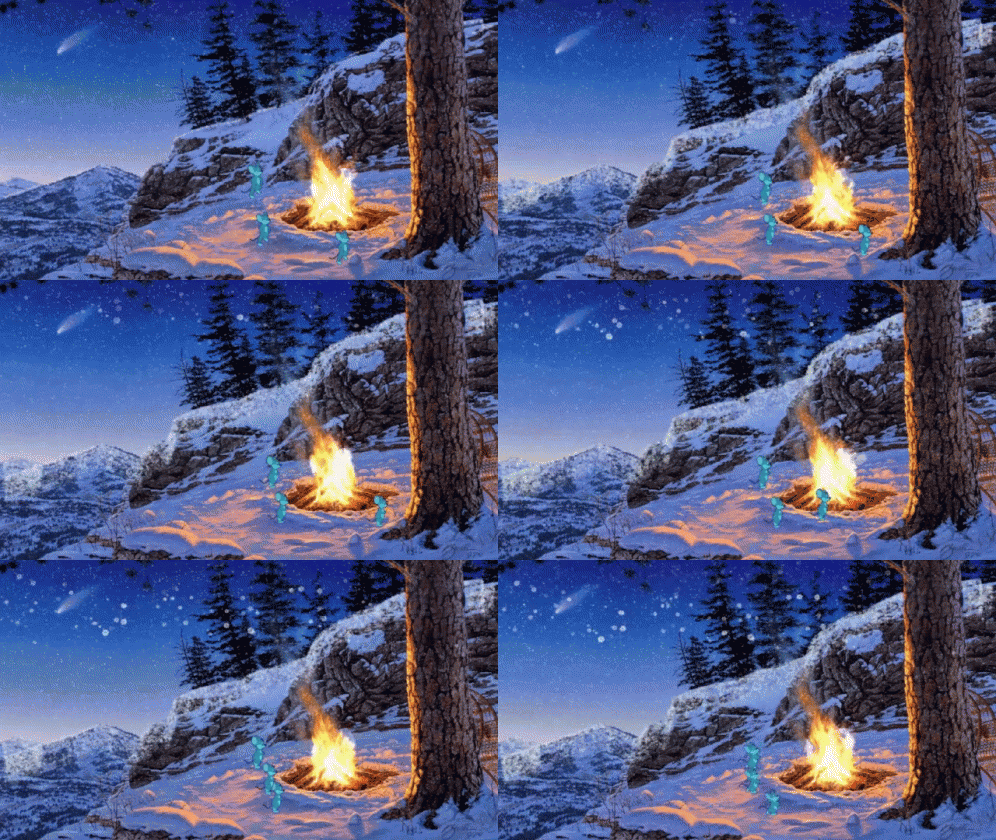
Add bonfire and snow
Otherwise, it is a no
Outside, I won’t go
Many creatures experience dormancy during temperature extremes.
There are five types of dormancy including aestivation, brumation, diapause, hibernation, and torpor.
Aestivation is a reduction in metabolic rate and conservation of energy in response to hot, dry conditions. Examples of creatures who engage in this activity are crocodiles, desert tortoises, desert toads, salamanders and me! I believe I can do this, too. Can you?

Brumation brings us to alligators and other reptilians who consume all they can in the fall then park themselves in water holes and dens they’ve tunneled along the banks and shores for the cold winter months only emerging to drink water until warmer weather beckons them.

Diapause works at the embryonic stage delaying attachment until the time is optimal for spring births.
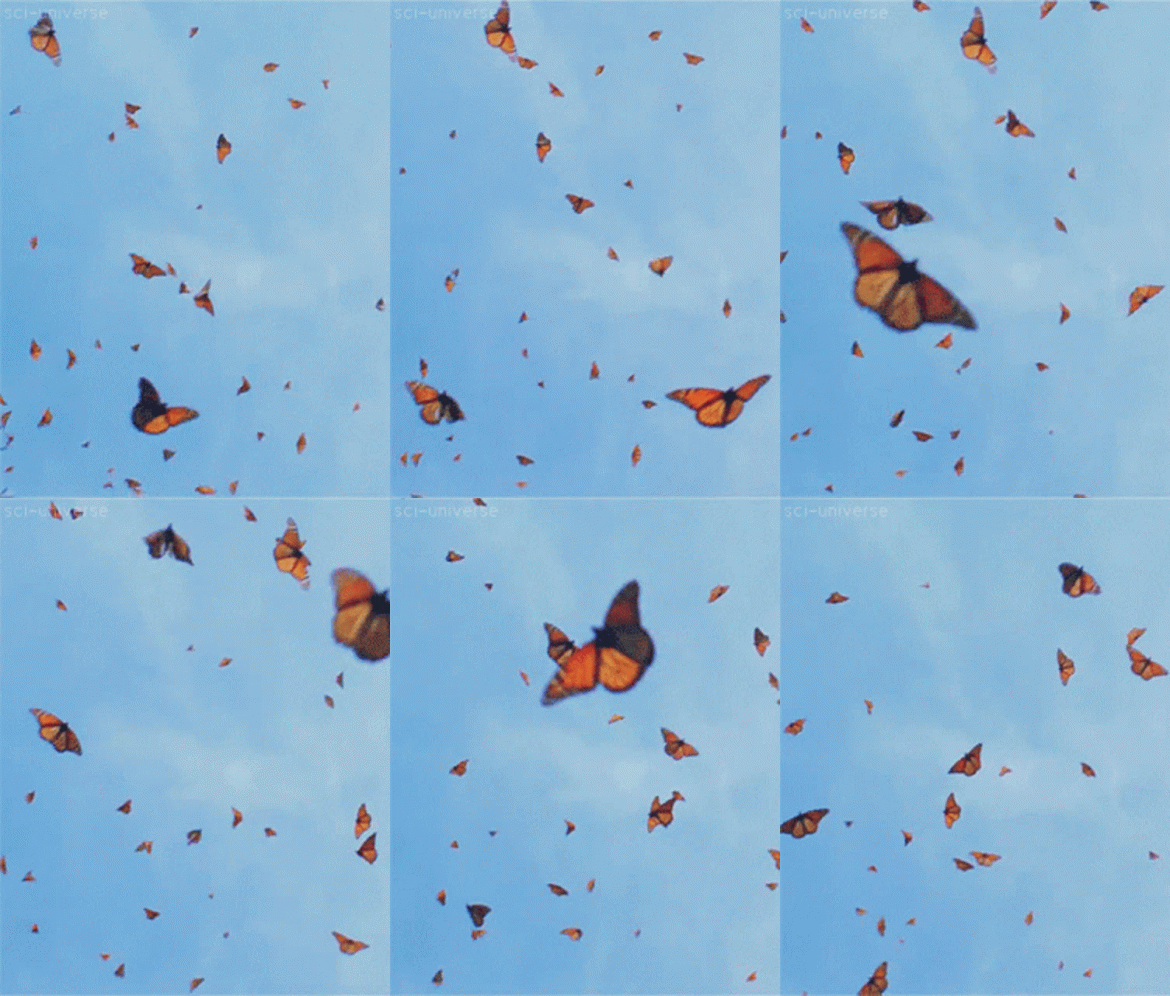
Hibernation can be obligate (mandatory) or facultative (as needed). As the other cold weather preps, it involves a large consumption of food then a slowing down of the metabolism, breathing and heart rates and a long winter’s nap. Examples of obligates are squirrels, lemurs, and butterflies. Of facultatives — black-tailed prairie dogs.
Torpor is the winter of bears, skunks, and raccoons and includes approximately an hour of violent shaking to wake up. I am definitely not feeling torpor.
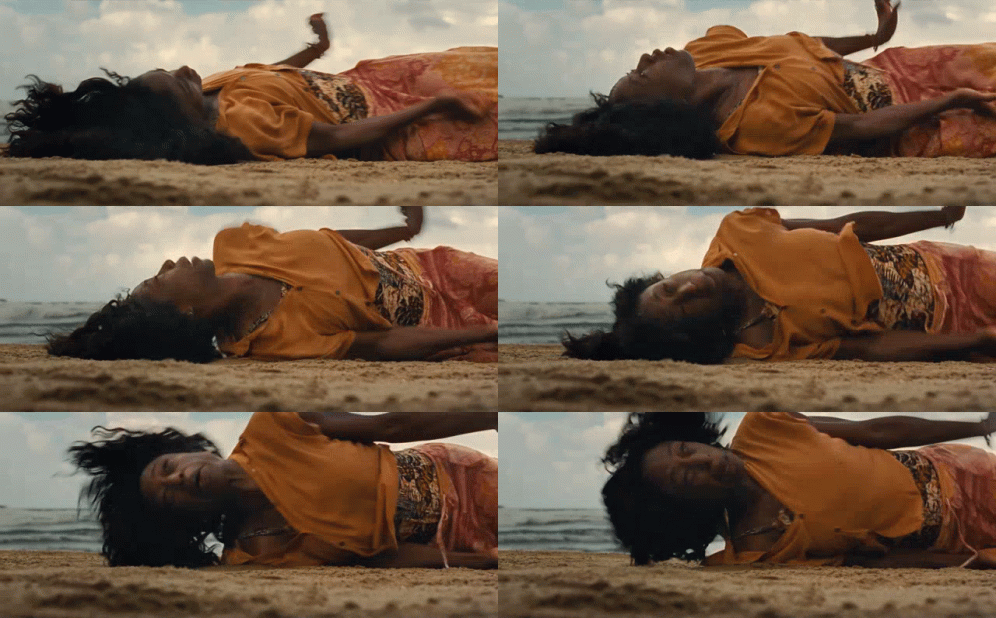
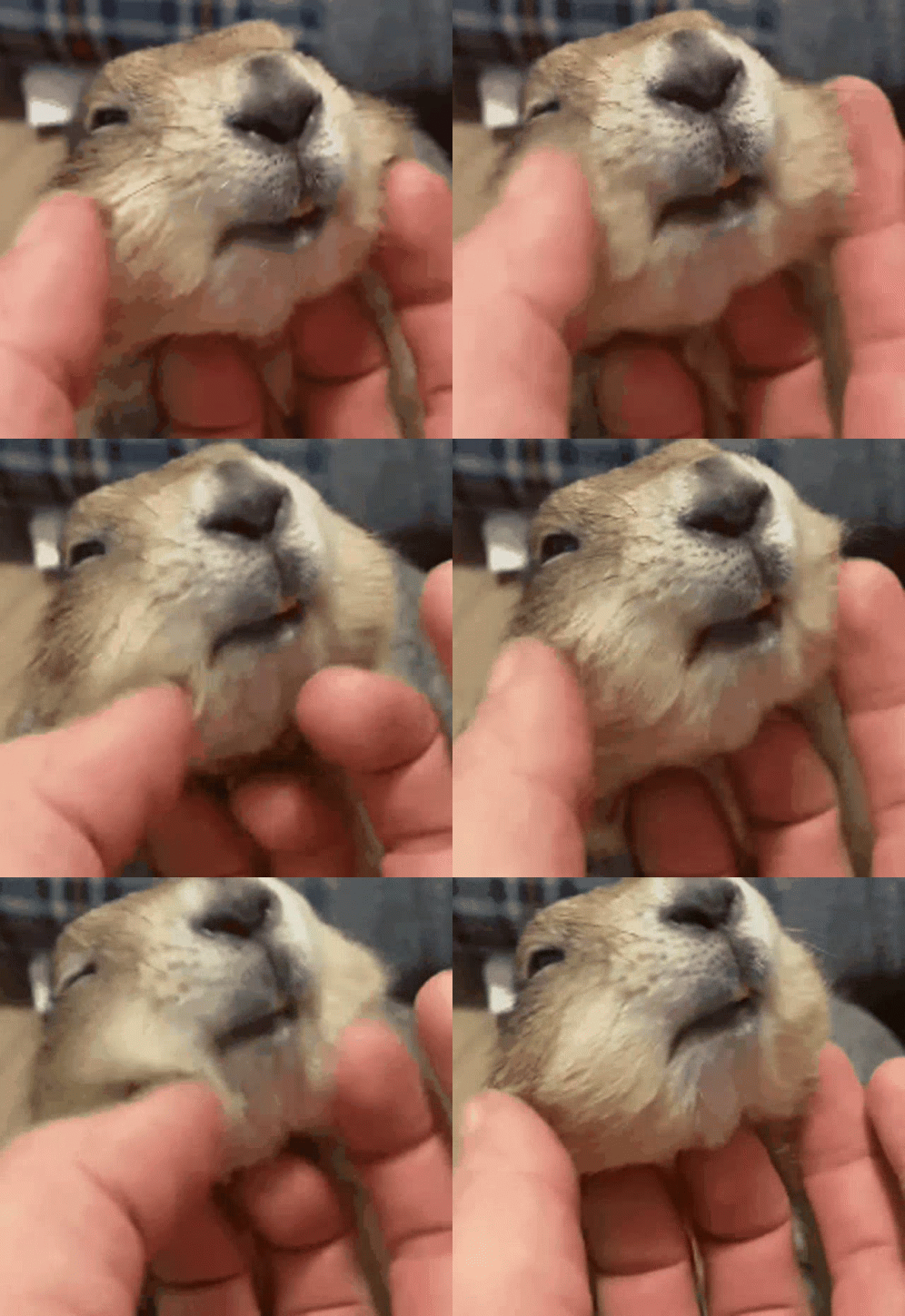
I guess that leaves me feeling about cold weather like something of a facultative hibernator, a black-tailed prairie dog only storing up and shutting down for cold spells which are fortunately few and far between in Texas.
 Poet Cea